

Best Treks and Hiking Holidays in South America: From Accessible Walks to High-Andean Challenges
Updated: Apr 30

South America is arguably the world’s most rewarding region for hiking and trekking. From the humid jungles of Colombia to the windswept granite spires of Patagonia, the continent offers a natural progression for every fitness level.
Whether you are seeking a luxury glamping experience on the Inca Trail or a remote high-altitude expedition in the Cordillera Huayhuash, this guide breaks down the best treks and hiking holidays in South America by region and difficulty.
Quick Guide: Best Treks and Hiking Holidays in South America Comparison
Trek Name | Location | Difficulty | Maximum Altitude | Key Feature |
Lost City (Ciudad Perdida) | Moderate / Challenging | 1,200 m | Tropical jungle & Indigenous culture | |
Avenue of the Volcanoes | Challenging | 6,310 m | High-altitude volcanic vistas | |
Galápagos Coastal Walks | Leisurely / Moderate | Low altitude on hikes, 2,850 m in Quito | Wildlife & volcanic geology | |
Inca Trail (Glamping) | Moderate / Challenging | 4,215 m | Iconic ruins & upgraded comfort | |
Salkantay Trek | Moderate / Challenging | 4,683 m | Glacial peaks to cloud forests | |
Huayhuash Circuit | Moderate / Challenging | 5,150 m | Remote, world-class alpine scenery | |
W Trek / Fitz Roy | Moderate | 1,170 m | Iconic granite towers & glaciers | |
Torres del Paine O-Circuit | Challenging | 1,200 m | Full 360° wilderness loop |

1. Colombia: Jungle Trekking in the Sierra Nevada
The Lost City Trek (Ciudad Perdida)
In northern Colombia, the trek to Ciudad Perdida is a compelling alternative to Andean hiking. Instead of thin air, the challenge here is the tropical humidity and undulating rainforest terrain.
The Experience: You’ll cross suspension bridges and navigate muddy trails through Indigenous territory.
The Highlight: The ancient stone terraces of the Lost City itself, though the cultural exchange with local communities along the way is often the true standout.
Pro Tip: Pack everything in dry bags inside your pack. Even if it doesn't rain, the air is so damp nothing ever truly dries. It’s rugged and sweaty, but standing on those ancient stone terraces with the jungle humming around you is pure magic."
2. Ecuador: Volcanoes and Island Walks
Summitting in the Avenue of the Volcanoes
For those focused on high-altitude trekking and introductory climbing rather than long-distance backpacking, Ecuador is ideal. Trails run between titans like Cotopaxi and Chimborazo. While the terrain is open and expansive, hikers must be mindful of the 3,000m+ elevation.

Galápagos Islands: Accessible Nature Walks
The Galápagos offers the most accessible hiking in South America. These are guided, flat walks across volcanic crust where wildlife—sea lions, iguanas, and rare birds—has no fear of humans.
3. Peru: The Heart of the Andes
Glamping on the Inca Trail
The classic Inca Trail remains the world’s most iconic hike. For a modern twist, "glamping" itineraries offer upgraded camping and gourmet support services, making the moderate climb to Machu Picchu accessible to those who value comfort.
Adventure Coordinators' Take: Everyone wants to do the Inca Trail, and for good reason—walking through the Sun Gate at dawn is a bucket-list moment. But here’s the reality: it sells out six months in advance. If you’re a last-minute planner or want more solitude, ask me about the Salkantay Trek. You get higher peaks and fewer crowds, and we can still get you into Machu Picchu at the end.
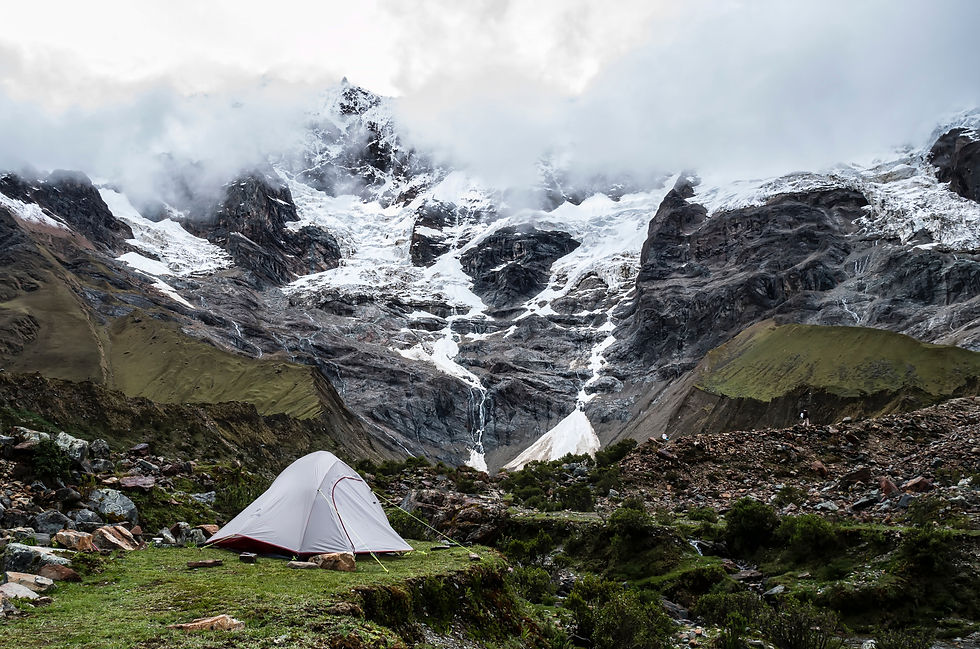
Salkantay Trek to Machu Picchu
A step up in difficulty, the Salkantay Trek reaches passes exceeding 4,500m. It is more rugged and less crowded than the Inca Trail, offering a dramatic shift from glacial peaks to tropical cloud forests. Having done this trek, I highly recommend it.

The Huayhuash Circuit: The Ultimate Challenge
For experienced hikers, the Cordillera Huayhuash is the pinnacle of South American trekking. This is a serious expedition crossing multiple high passes. It is widely regarded as having the most dramatic alpine scenery on the planet.
Adventure Coordinators' Take: This is the big leagues. If the Inca Trail is a 'walk,' Huayhuash is an 'expedition.' It is arguably the most beautiful alpine trek on the planet, but you’re crossing passes over 4,500m almost every day. Do not attempt this unless you are truly fit.

4. Southern Andes: Patagonia’s Iconic Trails
Patagonia – Fitz Roy & Torres del Paine
In Southern Chile and Argentina, trekking often centers on Torres del Paine National Park and the Fitz Roy Massif.
Lodge-Based Hiking: Many travelers choose day hikes from comfortable lodges, overlooking turquoise lakes and glaciers.
The O Circuit: For the adventurous, this 360-degree loop around the Paine massif is a multi-day expedition requiring high endurance and preparation for Patagonia's legendary "four seasons in one day" weather.
Adventure Coordinators' Take: Patagonia is all about the 'four seasons in one day.' I’ve been sunburned and snowed on in the same afternoon. My pro tip? Don't skimp on your shell jacket. Also, if you have the fitness, go for the 'O' Circuit. Most people only do the 'W', but the back side of the mountain offers a view of the Grey Glacier that will absolutely stop your heart.
Choosing the Right Trek: FAQ
Which trek is best for beginners?
The Galápagos Islands or lodge-based day hikes in Patagonia are perfect for those who prefer light to moderate activity. For a first multi-day trek, the Inca Trail with a professional porter team is a great entry point.
How do I handle altitude in the Andes?
Acclimatization is essential for Peru and Ecuador. Spend at least 2–3 days at altitude (in Cusco or Quito) before starting your trek. Hydration and local coca tea are highly recommended.
Is it better to book a guided trek?
Absolutely. Especially in remote regions like the Huayhuash Circuit or the Lost City, local guides provide safety, logistical support, and deep cultural context that you simply cannot get trekking solo. For the Inca Trail you need a permit which you can only get by booking a tour.
Final Thoughts
South America offers a breadth of trekking experiences that few regions can match. From the lush jungles of Colombia to the high-altitude challenges of Peru, there is a clear path of progression for every walker. The common thread? A profound connection to the landscape and the cultures that call these mountains home.
Ready to plan your 2026 trekking holiday? Explore our curated itineraries and find the perfect match for your fitness level. Contact me today.


Comments