

Why Sailing the Northwest Passage Is One of the Most Meaningful Arctic Journeys You Can Take
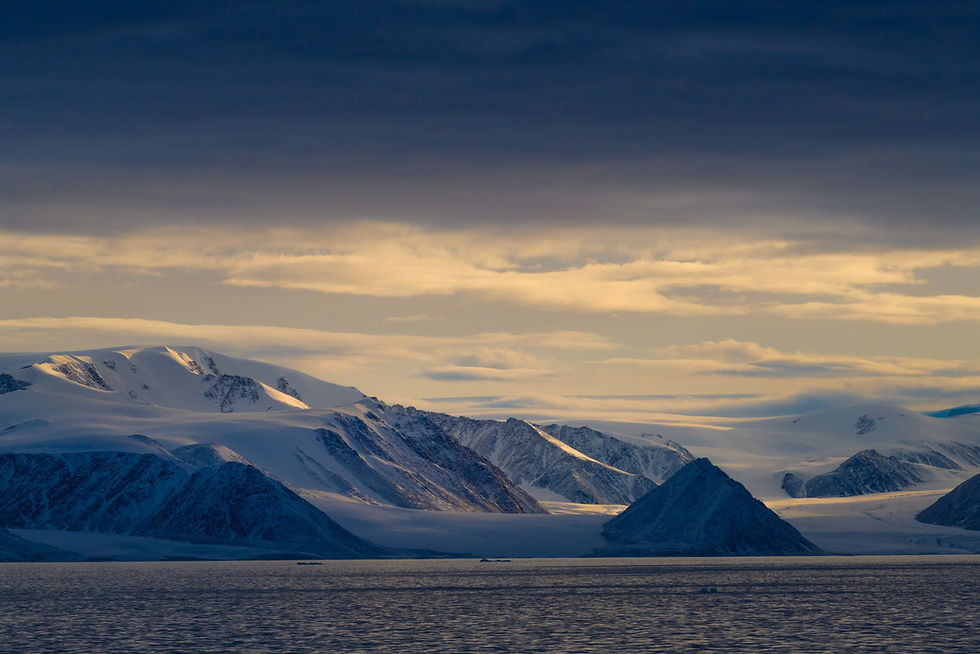
There are trips that stay with you for a season, and then there are those that quietly shape how you see the world. My first journey into the Arctic, sailing along the coasts of Baffin Island and Greenland and into the Northwest Passage, remains one of the most memorable experiences I’ve had in over three decades of travel. It wasn’t just the landscapes, although they were extraordinary. It was the combination of pristine nature, the quiet awareness that very few travellers ever reach this part of the world, and a deep sense of pride in this remarkable country we call Canada.
When travellers ask me what it’s really like to sail the Northwest Passage, I often pause, because it’s not something that can be reduced to a list of highlights. It’s a journey that unfolds slowly, shaped by weather, ice, wildlife, and the rhythm of the ship. It’s also a journey through history, culture, and geography that few places on earth can match.

Sailing the Northwest Passage: Following One of the World’s Great Historic Routes
From Greenland’s Fjords to Canada’s High Arctic
Most Northwest Passage expeditions begin in western Greenland, often around Kangerlussuaq, where a long fjord stretches inland toward the ice sheet. From the outset, you are immersed in Arctic scale — vast skies, quiet waters, and a sense of space that is difficult to describe until you experience it.
Sailing along the Greenland coast introduces you to colourful settlements, iceberg-filled waters, and fjords carved by ancient glaciers. This early part of the journey sets the tone: you are travelling through landscapes shaped over millennia, where human presence feels both resilient and respectful of the environment.

Crossing Davis Strait toward Canada, there is often a noticeable shift. The air feels different, the coastline more rugged, and the sense of entering Canadian Arctic waters brings with it a quiet pride. For many travellers, this moment — arriving along the coast of Baffin Island — is one of the most meaningful of the entire voyage.
The Canadian Arctic: Remote, Powerful, and Deeply Personal
Exploring Baffin Island and Nunavut Communities
Sailing along Baffin Island, you begin to understand just how vast and varied Canada’s Arctic truly is. Towering cliffs rise from the sea, glaciers spill toward the water, and small Inuit communities appear along the coastline, offering a glimpse into life in the North.

Visits to places such as Mittimatalik (Pond Inlet) or Uqsuqtuuq (Gjoa Haven) provide opportunities to engage with Inuit culture in a meaningful way. These are not staged experiences, but genuine interactions where local guides share stories, traditions, and perspectives that add depth to the journey.
From my own experience, these moments stay with you just as much as the landscapes. They remind you that the Arctic is not an empty wilderness, but a homeland with a rich cultural history.

Wildlife and the Rhythm of the Ice
One of the defining aspects of a Northwest Passage expedition is its unpredictability. Wildlife sightings are never guaranteed, but the possibilities are always present. Polar bears moving along the shoreline, walrus hauled out on the ice, and whales surfacing quietly beside the ship all become part of the experience. I remember well one early morning on deck when a pod of orca appeared next to ship, and stayed with us for a good half hour, purposefully swimming on their way to somewhere only they knew.

Equally important is the ice itself. The ship navigates through channels that have challenged explorers for centuries, and the presence or absence of sea ice shapes the route. This is not a fixed itinerary in the traditional sense; it is an expedition in the truest meaning of the word.
Into the Northwest Passage: A Journey Through Exploration History
Following in the Wake of Franklin and Amundsen
As you move deeper into the Northwest Passage, the historical context becomes increasingly tangible. Names like Sir John Franklin and Roald Amundsen are no longer distant references; they are part of the landscape you are travelling through.

Stops at historic sites, including remnants of early expeditions and interpretive landings, provide insight into the challenges faced by those who first attempted to navigate these waters. It’s a sobering and fascinating layer to the journey, one that adds perspective to the comfort and safety of modern expedition travel. Places like Beechey Island, where some of the men of the Franklin Expedition are buried, invite you to pay homage to the souls that were lost here, at the top of the world, far away from the embrace of loved ones.

The Geography Few Ever See
What makes this journey so unique is not just what you see, but where you are. The Northwest Passage is still one of the least-travelled routes in the world. Even today, relatively few people will ever experience it firsthand.
There is a quiet awareness that comes with that. Standing on deck, looking out over ice-strewn waters or a distant mountain range, you understand that this is not a typical travel experience. It is something rarer, more reflective, and deeply connected to place.
Life Onboard: Comfort Meets Exploration
Expedition Travel Done Thoughtfully
While the landscapes may feel remote, the onboard experience is designed to be comfortable and engaging. Expedition teams provide daily briefings, lectures, and guided shore landings that help interpret what you are seeing.

Zodiac excursions bring you closer to glaciers, wildlife, and shoreline features, allowing for a more intimate connection with the environment. The pace is unhurried, with time to absorb each landing rather than rushing from one highlight to the next.
From a travel planning perspective, this is one of the strengths of an operator like Adventure Canada. Their focus on education, cultural engagement, and responsible travel aligns well with what I look for when recommending Arctic experiences to clients.
Why This Journey Stands Apart
A Personal Perspective After Multiple Arctic Journeys
Having travelled to many parts of the world, I can say with confidence that the Northwest Passage stands apart. It’s not just the scenery, although the fjords, glaciers, and Arctic light are remarkable. It’s the combination of elements: the remoteness, the history, the wildlife, and the cultural connections.

There is also something uniquely Canadian about this journey. Travelling through our northern waters, visiting communities in Nunavut, and understanding the scale of our Arctic region brings with it a sense of pride that is difficult to replicate elsewhere. I distincly remember the moment one early morning, alone on the top deck, I witnessed the Canadian flag being raised as we approached the territorial waters off Baffin Island. I had just become a Canadian national and seeing our Maple Leaf being hoisted against an endless backdrop of snowy mountains felt like a sort of homecoming.
Forr many travellers too, this becomes more than a trip. It becomes a milestone experience.
2026 Northwest Passage Expeditions: A Timely Opportunity

Limited Availability and a Unique Incentive
I’ve recently heard directly from my contacts at Adventure Canada that there is still some availability on both Northwest Passage sailings. They specifically asked whether I had clients who have shown interest in the Arctic or the Northwest Passage.
Because of my connections built up over three decades in the industry, they asked me to offer an added incentive for any new 2026 Northwest Passage bookings for those who may just need that final nudge. Opportunities like this don’t come up often, particularly for itineraries of this calibre.
Given the limited number of departures and the small number of passengers on each expedition, these voyages tend to fill well in advance. If this journey has been on your radar, it may be worth revisiting now.
If you’ve ever been curious about the Arctic, or if you’re looking for something that goes beyond the ordinary, this is a journey I would strongly recommend. It’s one of the best trips I’ve done, and one that continues to resonate long after returning home. Contact me today.


Comments