

Best Time to Visit Europe: A Month-by-Month Travel Guide
- Adventure Coordinators
- Mar 14
- 5 min read

The Best Time to Visit Europe
Choosing the best time to visit Europe depends on the type of experience you are seeking, from winter landscapes and Northern Lights in the far north to sun-soaked hills in the Mediterranean. Europe is a year-round destination, with each month offering distinct advantages in terms of weather, crowds, and seasonal highlights. Whether you prefer spring blossoms, long summer days, autumn colours, hikes and bike rides or festive winter markets, timing can significantly enhance your trip. This month-by-month guide outlines what to expect across the continent, helping you plan the ideal European journey with confidence and clarity.

January in Europe: Northern Lights and Winter Adventures
January is ideal for travellers who enjoy winter landscapes, crisp air, and quieter cities. Northern Europe is at its most atmospheric at this time of year. Iceland offers dramatic snow-covered scenery, ice caves, geothermal bathing, and some of the best opportunities to see the Northern Lights. Scandinavia, particularly northern Finland, Norway and Sweden, is excellent for aurora viewing and winter activities such as husky sledding and snowshoeing. In Southern Europe, destinations such as southern Italy, Malta, and Greece are cooler but still suitable for hiking and cultural adventures, especially in southern cities. It's a wonderfully quiet time for a contemplative Camino hike in Spain or Portugal, while out in the Atlantic, Madeira beckons.

February travel: Winter fun and City Breaks
February continues the winter focus in the far north. Iceland and parts of Norway, Sweden, and Finland remain prime for Northern Lights experiences and winter adventures. Snow conditions are often reliable, and daylight gradually increases compared to January. Elsewhere, February works well for low-season city breaks in places such as Paris, Rome, Amsterdam, London, or Dublin, where crowds are minimal and travel costs can be lower. Southern Europe remains relatively mild, making it a practical option for sightseeing and active holidays in places like Cyprus, the Amalfi Coast and Andalucia.

March travel: Spring in Europe
March marks the beginning of spring across much of Europe. Temperatures begin to rise in southern regions, including Italy, Spain, Portugal, Malta, and Greece, while tourist numbers remain moderate. It is a good month for cultural touring, early hiking in lower elevations, and exploring historic cities without peak-season crowds. In Czechia and parts of the Balkans, conditions steadily improve, particularly in lowland areas, although mountain regions may still experience winter weather. Spring blossoms begin appearing across Western and Southern Europe.

Europe in April: Shoulder Season Highlights
April is one of the most rewarding shoulder-season months. Much of Western Europe, including France, the Netherlands, the United Kingdom, and Ireland, experiences blooming landscapes, longer daylight hours, and generally pleasant temperatures. The Netherlands is especially popular during tulip season. France, Spain, and Italy become increasingly attractive for countryside travel and walking holidays before summer crowds arrive. In the Balkans, April offers comfortable conditions for cultural tours and outdoor exploration before the intense heat of summer.

May Travel: Europe at Its Best
May is widely considered one of the best months to visit Europe overall. Temperatures are comfortably warm across most regions, but peak-season crowds have not yet arrived. Italy, Spain, Portugal, Greece, Malta, and Croatia are particularly appealing, offering sunshine without extreme heat. Coastal areas are pleasant for exploration, though sea temperatures may still be cool. Scandinavia benefits from increasing daylight and vibrant spring scenery, making it excellent for outdoor travel. Southern France is especially attractive before summer tourism peaks. May is an ideal time for river cruising, a bike ride along one of the rivers, or seeing the cities of Central Europe.
June Travel: Long Days across Europe
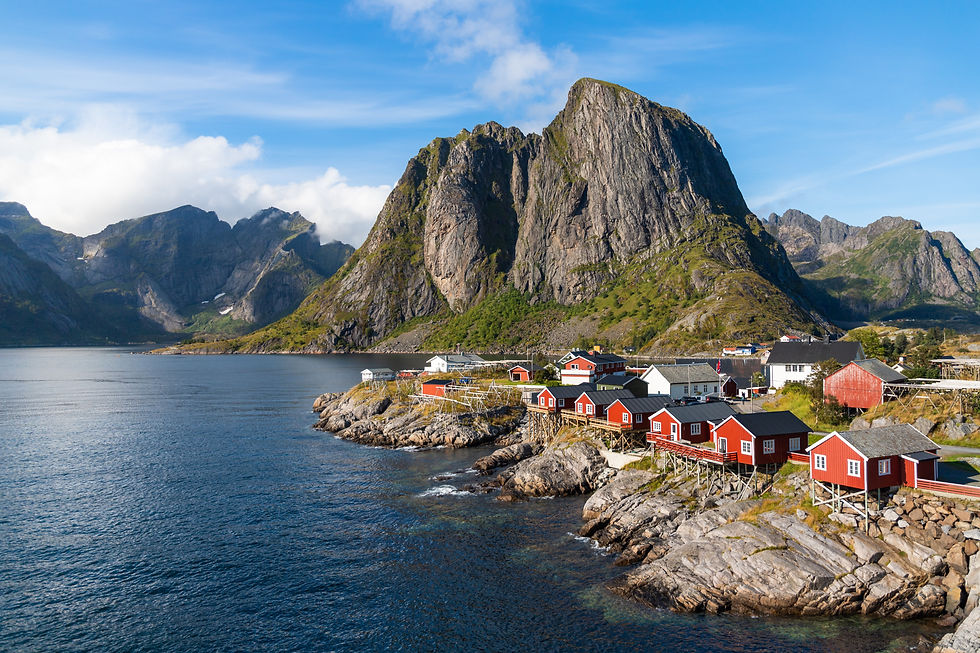
June brings long daylight hours to much of northern Europe. Norway, Sweden, Denmark, and Finland, enjoy extended daylight and, in the far north, near-midnight sun conditions. Iceland is highly accessible in June, with improved driving conditions and excellent hiking opportunities. Wildlife viewing and road trips across Europe are particularly rewarding. Across Central and Southern Europe, June offers warm but not yet extreme temperatures, making it suitable for multi-country itineraries. Coastal regions begin to feel summery, though they remain less crowded than in peak months.

Europe in July: Peak Season
July is peak season across much of Europe and is best suited to destinations where warm weather enhances the experience. The Mediterranean, including Italy, Greece, Spain, Portugal, and Croatia, is at its height for beach holidays and island travel. Inland cities can be very hot, so coastal or mountainous areas are often preferable. In fact, there are plenty of hikes you can only do in summer. Scandinavia offers comfortable temperatures and long daylight hours, making July excellent for hiking, fjord cruising, and general exploration.

August in Europe: go north
August continues peak summer conditions in Southern Europe. Coastal regions in Greece, Spain, Portugal, Italy, and Croatia are especially popular. Island destinations are at their busiest, though the atmosphere can be lively and festive. Many locals in parts of Western and Southern Europe take holidays in August, which may affect business hours in cities. Northern Europe remains attractive, with pleasant temperatures and extended daylight still supporting nature-based travel. Think about going to Sweden, the Faroe Islands or or other cool places in Europe.

September in Europe: Warm Weather and Harvest Season
September is widely regarded as one of the best months to travel in Europe. Summer crowds begin to ease, yet weather conditions remain warm in much of the continent. The Mediterranean retains sea warmth, making Italy, Greece, Malta, Spain, Portugal, and Croatia particularly appealing. Harvest season begins in many wine regions, adding cultural depth to itineraries. Central Europe, including Czechia, offers comfortable conditions for city exploration and countryside travel. Northern destinations remain accessible, though daylight hours gradually shorten. It's an ideal time for a visit or hike in Scotland.

Europe in October: Autumn Colours and Fewer Crowds
October brings autumn colours to regions such as the United Kingdom, Ireland, Germany, Czechia, and parts of Scandinavia. Temperatures cool but remain suitable for walking holidays and cultural travel. Southern Europe continues to offer mild conditions, especially in southern Spain, Portugal, Italy, and Greece, where outdoor activities remain enjoyable compared to summer heat. October is often less crowded, making it a strong month for museum visits, city breaks, and scenic countryside exploration.

November Travel in Europe: Culture, Cities, and Off-Season Benefits
November is generally a quieter month across Europe. I have found this a wonderful time for city travel in France, Italy, Spain, and even the United Kingdom, where indoor attractions such as museums and galleries are particularly appealing. Travel costs can be lower, and popular destinations are less crowded. In northern regions, daylight becomes limited, but early winter conditions can create atmospheric scenery. Southern Europe can still offer moderate temperatures, especially along coastal areas, making it a good destination for hiking.

Europe in December: Christmas Markets and Winter Experiences
December is ideal for experiencing Europe’s festive atmosphere. Cities in Germany, Czechia, Austria, and France are especially known for Christmas markets and seasonal events. In Iceland and parts of Scandinavia, December offers winter landscapes and opportunities for Northern Lights viewing, though daylight is limited. Southern Europe remains milder than northern regions, but December is generally more suited to cultural experiences than extended outdoor activities, although Greece offers some walking opportunities.
Europe, a year-round destination
Overall, Europe offers strong year-round travel potential, but timing is key. Winter months are best for Northern Lights and snow-based experiences in Iceland and Scandinavia, or active adventures in the Mediterranean. Late spring and early autumn provide the most balanced combination of favourable weather, manageable crowds, and comfortable conditions across much of the continent. Summer is ideal for northern and higher altitude outdoor adventures, while shoulder seasons often deliver the best overall travel experience in terms of climate, accessibility, and value.
Contact me now to start planning your next European trip!


Comments